
 EN
EN



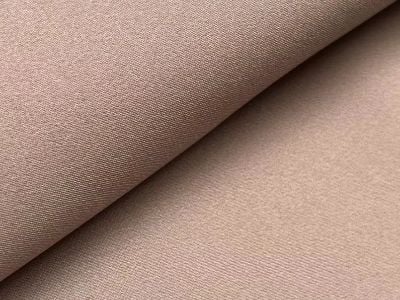
Waterproof fabrics are essential for outdoor activities because it helps keep users dry, comfortable, and protected in challenging weather conditions. One of the most important factors that determines the performance of waterproof fabric is its thickness. The thickness of the material affects its ability to resist water penetration, withstand daily wear, and provide long-lasting protection. At Sunfeng, we understand that selecting the right fabric thickness is just as important as choosing the right material and waterproof technology. Whether you're manufacturing outdoor jackets, tents, backpacks, or protective gear, the right balance of thickness, durability, and breathability ensures reliable performance in rain, snow, and other demanding environments. By combining innovative textile technology with carefully engineered fabric structures, Sunfeng provides waterproof fabrics that deliver outstanding protection without sacrificing comfort
What Makes Waterproof Fabric Thickness Crucial for Quality
The thickness of waterproof cloth fabric plays a significant role in determining its overall quality and performance. In general, thicker fabrics provide stronger protection against rain, wind, and harsh outdoor conditions because they create a more durable barrier that prevents water from penetrating the material. They are also better suited for products exposed to frequent abrasion, such as camping tents, workwear, and hiking gear, since thicker materials are more resistant to tearing and wear. However, thickness alone does not guarantee superior waterproofing. The manufacturing process, waterproof coatings, and membrane technologies are equally important in creating high-performance fabrics. At Sunfeng, advanced waterproof treatments are combined with carefully selected fabric thicknesses to produce materials that offer exceptional durability while remaining lightweight and comfortable. This balanced approach allows outdoor enthusiasts to enjoy reliable weather protection without carrying unnecessarily heavy equipment
Understanding Waterproof Fabric Thickness
Understanding waterproof outdoor fabric thickness helps manufacturers and consumers choose the right material for specific outdoor applications. Different activities require different levels of protection, making thickness an important consideration when selecting waterproof fabrics. Lightweight fabrics are ideal for casual outdoor use, travel, and everyday rainwear because they reduce weight while still offering dependable water resistance. Thicker fabrics, on the other hand, are better suited for demanding environments such as mountain hiking, camping, industrial workwear, and outdoor shelters where maximum durability is required. Thickness also influences flexibility, portability, and comfort, so choosing the appropriate material depends on balancing protection with ease of movement. Sunfeng offers a wide range of waterproof fabrics designed to meet diverse performance requirements, ensuring customers can find solutions that provide the ideal combination of strength, comfort, and weather resistance
Common Issues with Waterproof Fabric Thickness and How to Avoid Them
Although thicker waterproof fabrics provide excellent protection, they can also present challenges if they are not designed properly. One common issue is excess weight, which may reduce comfort during long hikes or extended outdoor activities. Another concern is reduced flexibility, making garments feel stiff and restricting movement. Some thick fabrics may also trap heat and moisture if they lack sufficient breathability, causing discomfort even when the wearer remains dry from the rain. To avoid these problems, it is important to choose waterproof fabrics that combine optimized thickness with advanced breathable membrane technology. Sunfeng develops high-performance fabrics that maintain strong waterproof protection while remaining lightweight, flexible, and breathable. This ensures users stay dry without compromising mobility or overall comfort during outdoor adventures
The Relationship Between Fabric Thickness and Waterproofing
Fabric thickness and waterproof performance are closely related, but thickness is only one part of the equation. While thicker materials generally provide increased durability and stronger resistance against water penetration, the effectiveness of waterproof fabric also depends on its construction, fiber composition, and protective coatings. A well-engineered lightweight fabric with advanced waterproof technology can often outperform a poorly manufactured thick fabric. Materials such as nylon and polyester, when combined with high-quality waterproof membranes or coatings, can provide excellent water resistance while maintaining a lightweight feel. At Sunfeng, every waterproof fabric is carefully engineered by integrating premium materials with innovative textile technologies, creating products that deliver outstanding waterproof performance regardless of thickness. This allows manufacturers to choose fabrics that best suit their products without sacrificing protection or comfort
Where to Source Superior Waterproof Fabrics for Outdoor Applications
Finding a reliable supplier is essential for businesses seeking high-quality waterproof fabrics for outdoor products. Working with an experienced manufacturer ensures consistent material quality, advanced waterproof technologies, and dependable production capacity. Sunfeng has built a strong reputation for supplying premium waterproof fabrics that meet the needs of outdoor apparel, equipment, and industrial applications. Customers can explore a wide range of fabric options through our online catalog, request material samples for product evaluation, and receive expert guidance when selecting the most suitable fabric thickness and construction. By partnering with Sunfeng, businesses gain access to innovative waterproof textile solutions that combine durability, breathability, and weather protection, allowing them to create outdoor products that perform reliably in even the most demanding conditions.